
Swine Flu in Pigs: Causes, Symptoms, Treatment & Prevention Guide
Learn about swine flu in pigs—its causes, symptoms, treatment, and prevention. Simple, farmer-friendly guide to protect your herd and reduce losses.
11/28/20252 min read

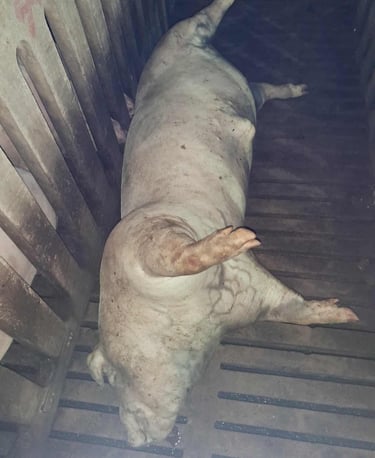
Swine Flu in Pigs: Causes, Symptoms & Prevention (Easy Guide for Farmers)
Swine flu, often called Syn Flu, is a common respiratory disease in pigs that spreads quickly during cold and crowded conditions. Understanding how it spreads and how to prevent it can save farmers from major losses. This guide explains everything in a simple and practical way.
What Is Swine Flu (Syn Flu)?
Swine flu is a viral infection caused mainly by the Influenza A virus. It affects the pig’s respiratory system, making it harder for them to breathe and grow properly. While the disease usually doesn’t cause high death rates, it can reduce weight gain, increase treatment costs, and lower farm productivity.
How Swine Flu Spreads
Swine flu spreads very fast, especially in winter or when pigs are kept close together. The main ways it spreads are:
Airborne droplets from coughing and sneezing
Direct contact between pigs
Contaminated equipment, clothes, or feed
New pigs brought into the farm without quarantine
Once one pig gets infected, the whole herd can quickly catch the virus.
Common Symptoms of Swine Flu in Pigs
Farmers should watch for these signs:
Sudden high fever
Coughing, sneezing, or nasal discharge
Loss of appetite
Breathing difficulty
Lethargy (pigs look tired and lazy)
Rapid spread of sickness across the herd
Most pigs recover within 5–7 days, but proper care is important.
How to Diagnose Swine Flu
A clear diagnosis can be made by:
Checking symptoms
Consulting a veterinarian
Taking samples from the nose or throat
Laboratory tests (PCR or virus isolation)
Early diagnosis helps stop the virus from spreading further.
Effective Treatment for Swine Flu
There is no specific antiviral medicine for pigs, but you can manage the disease with:
Antibiotics (to prevent secondary bacterial infections)
Electrolytes and good nutrition
Warm, dry, and clean housing
Reducing stress and overcrowding
Always follow your vet’s advice for proper medication.
Best Prevention Practices for Swine Flu
Prevention is better than cure. Here’s how to keep your pigs safe:
1. Vaccinate Your Pigs
Vaccination is the most reliable way to protect pigs from swine flu outbreaks.
2. Maintain Good Farm Biosecurity
Limit visitors
Disinfect boots, clothes, and equipment
Keep new pigs in quarantine for at least 2 weeks
3. Improve Housing Conditions
Ensure proper ventilation
Avoid overcrowding
Keep barns clean and dry
4. Boost Pig Immunity
Provide quality feed
Avoid sudden temperature changes
Keep pigs warm during winter
Can Swine Flu Spread to Humans?
While some types of swine flu can infect humans, it is rare on well-managed farms with good hygiene. Farmers must still wear masks, gloves, and wash hands regularly.
Final Thoughts
Swine flu is common, but with smart management, clean housing, and strong biosecurity, farmers can easily protect their herds. Early detection and prevention will help improve pig health, boost farm productivity, and reduce losses.