How to Start Pig Farming in 2025: A Step-by-Step Beginner's Guide
11/22/20258 min ler
Understanding the Basics of Pig Farming
Pig farming, also known as swine production, is an essential aspect of modern agriculture that requires careful consideration of various factors. One of the foundational elements is the selection of the right breed. Different pig breeds, such as Yorkshire, Duroc, and Hampshire, offer various advantages depending on the farming goals. For instance, some breeds are more suited for meat production, while others may excel in reproduction or growth rates. Therefore, it is crucial to assess the desired outcomes and contextual factors before making a breed selection.
Understanding the life cycle of pigs is another critical component in the pig farming process. Pigs generally progress through several stages, beginning with farrowing, the period where piglets are born. Following this stage, the piglets remain in a nursery phase before transitioning to grower and finisher stages, where they are fed to prepare them for market. Each stage requires specific management practices and attention to dietary needs, ensuring that the pigs are healthy and growing optimally. Careful monitoring during these stages aids in maximizing production and animal welfare.
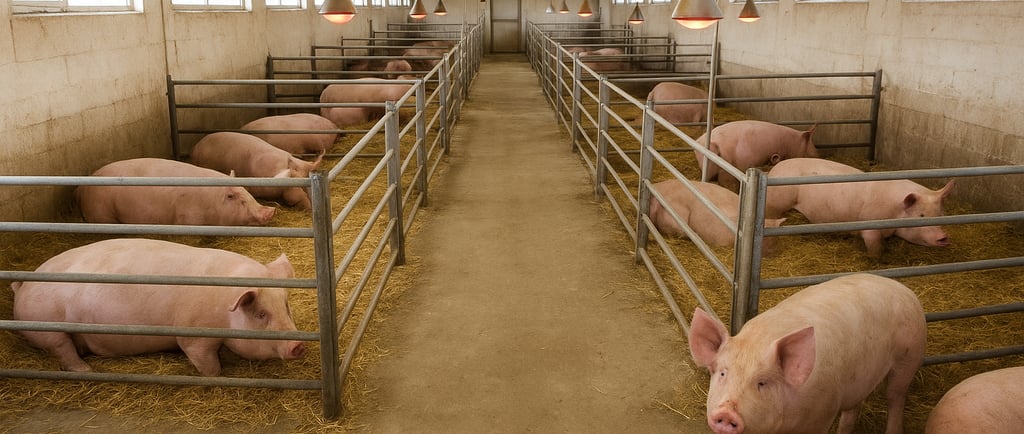
Moreover, recognizing the care and management needs of pigs is vital. This includes proper housing conditions, health care, and nutrition. Pigs require sufficient space, clean environments, and access to fresh water, which are critical for their growth and productivity. Regular health checks help in preventing diseases that can affect overall productivity and economic returns. The economic benefits of pig farming are significant, offering a reliable source of protein and income for many families and communities. Additionally, by integrating sustainable practices, pig farming can play a crucial role in environmentally responsible agriculture. Hence, understanding these fundamental aspects can set a solid foundation for successful pig farming in 2025.
Research and Planning: Creating Your Farming Blueprint
Before embarking on your journey into pig farming, it is essential to conduct thorough research. Understanding the intricacies of the pig farming industry will significantly enhance your chances for success. Start by assessing your local market. This involves gathering data on the demand for pork products, identifying potential customers such as local restaurants, butcher shops, and consumers. Additionally, analyze pricing trends to establish how much consumers are willing to pay for quality pork, which will inform your pricing strategy.
Next, identifying potential challenges is crucial. Utilizing resources such as agricultural extension services and local pig farming networks can provide valuable insights into health issues, feed availability, and regulatory requirements specific to your area. These challenges may vary based on geographical location, making localized research imperative. Furthermore, you should also look for opportunities within your market. This could be niches such as organic pork production or heritage breeds that may appeal to specialty markets. An understanding of these dynamics will help to shape your farming operations and production goals.
Once you have gathered sufficient market information, the next step is to devise a strategic business plan. This blueprint should outline your objectives, production methods, and the scale of your pig farming operation. It should address financial forecasting, including startup costs, operational expenses, and projected income. In addition to these practical aspects, your business plan should also consider contingency measures, should unexpected challenges arise. Overall, proper research and meticulous planning will serve as the foundation for a successful venture into pig farming, enabling you to navigate the complexities of the industry and capitalize on the opportunities that lie ahead.
Choosing the Right Location and Setting Up Your Farm
When embarking on pig farming, the selection of an appropriate location is crucial for ensuring the success of your operation. Several factors warrant attention, beginning with land space. A minimum of 1-2 acres is typically recommended, but the size requirements may vary based on the scale of the operation and local regulations. It is essential to ensure that the chosen land allows for future expansion, should your farming needs grow over time.
Accessibility is another important consideration. Your farm should be located near main roads for easy access to transportation services, suppliers, and markets. Proximity to veterinary services and feed suppliers can also contribute to fruitful farm management. Furthermore, consider the availability of water sources, as pigs require ample water for drinking and cleaning, especially in warmer climates.
Compliance with local zoning laws cannot be overlooked when choosing a location. Regulation adherence ensures that your farming activities do not disturb local communities or violate environmental laws. It might be beneficial to consult with local authorities or agricultural extension offices for guidance on necessary permits and regulations pertaining to pig farming in your area.
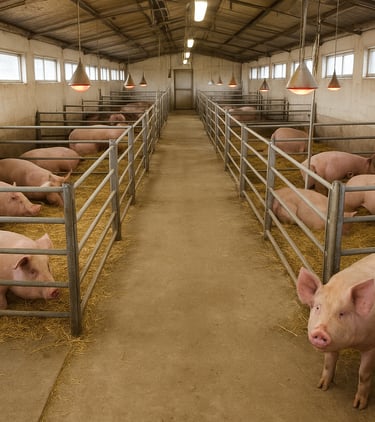
Alongside location, setting up the essential infrastructure is paramount. Constructing appropriate housing for pigs is vital. This housing should provide adequate ventilation, protection from weather elements, and enough space for the pigs to move comfortably. Additionally, establishing feeding areas that are easily accessible will streamline your day-to-day operations. Waste management systems are also critical; devising an effective way to handle manure can mitigate environmental impacts and enhance farm productivity. Incorporating a biosecurity plan will further safeguard against disease, ultimately contributing to a thriving pig farming enterprise.
Selecting and Breeding Healthy Pigs
When embarking on the journey of pig farming, one of the primary aspects to focus on is selecting and breeding healthy pigs. The health and genetic quality of your pigs significantly influence the productivity and profitability of your farm. To begin, it is essential to choose reputable breeders known for raising healthy pigs. This can be achieved by researching local breeders or suppliers and seeking out recommendations from experienced farmers.
Once you identify potential breeders, assess their operation methods and health management practices. A good breeder will provide documentation of the pigs' health history, vaccination records, and any genetic testing results. Inspect the conditions in which the pigs are raised; ensure that they are in clean, spacious environments that promote good welfare and reduce stress. Healthy pigs typically exhibit clear eyes, a shiny coat, and a lively demeanor. Any signs of lethargy or abnormal behavior may indicate underlying health issues, which could affect their breeding viability.
Understanding the different types of breeding stocks available is also crucial. Breeds such as Yorkshire, Hampshire, or Duroc each possess unique characteristics and advantages. Selecting the right breed for your goals—whether for meat production, breeding, or both—will set the foundation for your pig farming success. Additionally, employing various breeding techniques, such as artificial insemination or line breeding, can optimize genetic diversity and enhance the overall health of your herd. Regularly evaluate the performance of your breeding stock and consider culling any animals that do not meet your productivity standards.
In conclusion, selecting and breeding healthy pigs is a critical component of establishing a successful pig farming operation. By carefully choosing reputable breeders and maintaining high standards of health and welfare, you can create a productive herd capable of thriving in the competitive agricultural landscape.
Daily Care and Management of Pigs
Effective daily care and management are essential components of successful pig farming. Practicing proper feeding methods is critical to ensuring the health and productivity of your pigs. A balanced diet is indispensable; pigs generally require a combination of high-quality grains, protein sources, vitamins, and minerals. It is recommended to consult with a livestock nutritionist to create a feeding plan tailored to the specific breed and age of your pigs. Additionally, always provide clean, fresh water as hydration plays a vital role in their overall well-being.
Monitoring the health of your pigs regularly is another fundamental aspect. A daily health check can help identify signs of common health issues, such as respiratory problems or skin infections. Familiarizing yourself with the normal behaviors and physical appearance of your pigs will aid in the early detection of any irregularities. Keeping a close eye on their eating habits can also give you insights into their health; a sudden decrease in appetite could signal potential concerns that should be examined promptly.
Record-keeping is an integral part of pig management that should not be overlooked. Maintaining detailed records of each pig’s vaccinations, health checks, feed consumption, and growth rates will help you make informed decisions regarding their care. A systematic approach to record-keeping not only supports your pigs' health but also aids in monitoring their development and improving farming practices. Establishing a consistent routine for these responsibilities sets a strong foundation for successful pig farming.
In conclusion, daily care and management of pigs involve comprehensive attention to their dietary needs, health monitoring, and diligent record-keeping. These practices are essential to ensure that your pigs thrive and yield optimal growth. By incorporating effective care strategies, you will be well-prepared to manage your pig farming operations successfully.
Marketing Your Pig Farming Business
Effective marketing is crucial for the success of your pig farming venture. To begin, identifying your target market is essential. This could include local consumers, butcher shops, restaurants, and wholesalers. Understanding your clientele will dictate how you tailor your marketing strategies. Leveraging social media platforms can also significantly enhance your visibility and engagement with potential customers. By creating a dedicated page for your pig farming business, you can share insights, updates, and promotions to attract a loyal following.
Developing a strong brand is another vital aspect of your marketing approach. Your brand should reflect the quality and values of your pig farming operation. Ensure that your branding is consistent across all platforms, including logos, packaging, and promotional materials. Using high-quality imagery and descriptive text will help convey the story behind your pigs, highlighting their care, diet, and the humane practices used in your farming methods. This connection not only builds trust but also creates a unique selling proposition.
Establishing relationships with local markets, restaurants, and distributors is instrumental in ensuring a steady demand for your pig products. Attend local farmers’ markets and food festivals to showcase your pigs and pig-derived products. Networking can lead to valuable partnerships that will not only increase your sales channels but also enhance your local reputation. It is advisable to provide samples to chefs and restaurants, allowing them to experience the quality of your products firsthand. Additionally, offering incentives for referral sales can encourage existing customers to promote your business.
Lastly, consider employing multiple sales channels, such as direct farm sales, online markets, and community-supported agriculture (CSA) programs. Each channel offers unique opportunities and fosters different customer relationships. Overall, a robust marketing strategy will set the groundwork for a thriving pig farming business, ensuring that you can sustain operations and expand as needed.
Legal Considerations and Compliance for Pig Farmers
Engaging in pig farming in 2025 necessitates a thorough understanding of the legal requirements and regulations that govern this agricultural sector. First and foremost, it is essential to determine the permits required to operate a pig farm in your specific location. This often includes land use permits, livestock permits, and, in some cases, specific zoning approvals. Each jurisdiction may have different legal prerequisites, which are crucial for ensuring that your pig farming operations are fully compliant with local laws.
Animal welfare laws represent another critical area of compliance. Farmers must adhere to the standards set forth by animal rights organizations and governmental bodies that regulate the treatment and care of pigs. These laws dictate conditions related to housing, feeding, and health care for pigs, ensuring that they are kept in humane environments. Regular inspections may be mandated to verify compliance with animal welfare standards, making it essential for farmers to maintain records of their practices and conditions meticulously.
Environmental regulations also play an important role in pig farming. Proper management of waste products is necessary to prevent pollution and ensure sustainability. Farmers must follow local environmental regulations regarding the disposal of animal waste and follow protocols to mitigate any impacts on water quality and soil health. This might include best management practices for nutrient management and employing technologies that minimize the environmental footprint of pig farming.
In addition to understanding these legal frameworks, aspiring pig farmers should consider consulting with agricultural attorneys or local agricultural extension services. These experts can provide valuable insights and guidance on the legal intricacies involved, helping farmers navigate the bureaucratic landscape effectively. By staying informed and compliant with both state and federal regulations, pig farmers can mitigate legal risks and cultivate a successful farm operation.