
How to Prevent Pig Smell on Small Farms
Keep your small pig farm clean and odor-free with these simple, effective smell-control tips. Learn the causes of pig odor and easy methods to reduce manure smell, improve ventilation, manage bedding, and keep your pig house fresh .
Mousam
11/26/20252 min read
How to Prevent Pig Smell on Small Farms (Beginner-Friendly Guide)
Controlling odor is one of the biggest challenges for small pig farmers. Strong smells can disturb neighbors, attract insects, and affect overall farm hygiene. The good news is that with proper management, you can significantly reduce pig smell and keep your farm clean and fresh. This guide explains the causes of pig odor and simple, affordable ways to prevent it.
1. What Causes Pig Smell?
Pig odor mainly comes from:
Manure buildup
Wet floors or dirty bedding
Rotten feed or spilled food
Poor ventilation
High humidity in summer
Ammonia formation from urine
Understanding the source makes it easier to fix the problem.
2. Keep Pens Clean and Dry
Cleanliness is the fastest and most effective way to control smell.
✔ Remove manure daily
✔ Scrape wet or dirty bedding
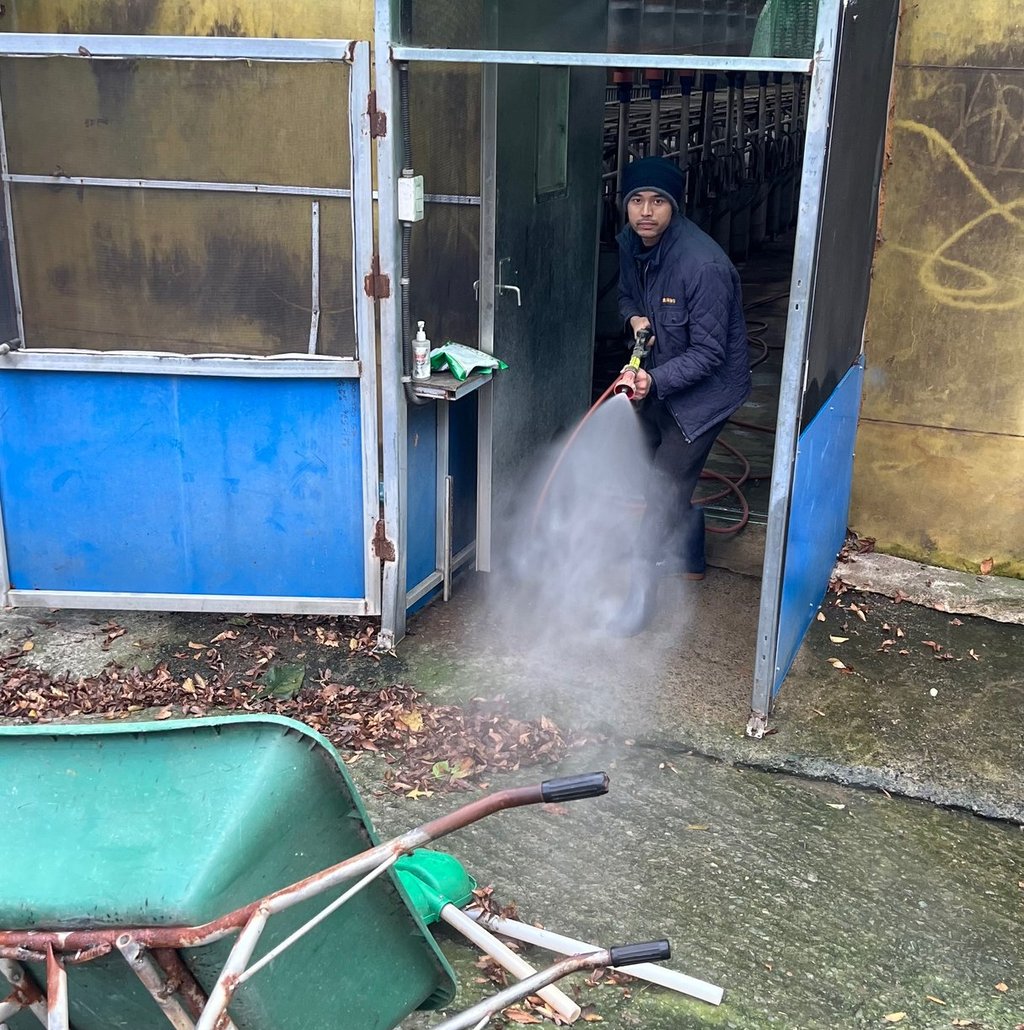
✔ Wash and disinfect pens weekly
✔ Fix water leaks immediately
A dry pig house = less odor.
3. Use Deep Litter Bedding
Deep litter systems control odor naturally.
Best materials:
Rice husk
Sawdust
Dry leaves
Straw
These help absorb moisture and reduce ammonia smell.
4. Improve Ventilation
Good airflow removes heat, humidity, and odor.
Tips:
Add more windows or vents
Install exhaust fans if possible
Keep pig house open on two sides
Avoid overcrowding
Fresh air = fewer smells.
5. Use Effective Microorganisms (EM)
Spraying EM solution inside pig pens helps break down waste and reduce odor.
You can also mix EM with bedding for better results.
6. Proper Feed Management
Rotten feed can smell worse than manure.
✔ Clean feeders daily
✔ Remove leftover feed
✔ Store feed in a dry place
✔ Avoid overfeeding
A clean feeding area reduces flies too.
7. Manure Handling and Composting
Do not let manure accumulate.
Transfer manure to a compost pit
Cover pits with soil or straw
Add lime to reduce smell
Turn compost regularly
Composted manure smells less and becomes high-quality fertilizer.
8. Use Natural Odor Absorbers
You can control smell with cheap, natural products:
Lime powder
Wood ash
Charcoal powder
Baking soda
Sprinkle inside pens once a week.
9. Maintain Good Drainage
Standing water makes the smell worse.
✔ Build proper slope for easy flow
✔ Keep gutters clean
✔ Remove stagnant water immediately
10. Maintain the Right Stocking Density
Crowded pens = more waste = more smell.
Follow recommended space:
Grower pigs: 0.8–1.0 m² per pig
Adult pigs: 1.2–1.5 m² per pig
Conclusion
Pig smell on small farms is easy to manage with simple, regular practices. Clean pens, good ventilation, dry bedding, EM use, and proper manure handling can reduce odor by 70–90%. With these steps, you can keep your pigs healthy and your farm smell-free.